Food Hygiene

2 comments »

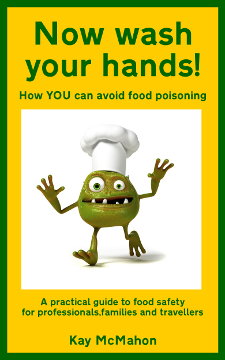
This is a series of articles broadly similar to the course offered by the Royal Society for the Promotion of Health for its Food Hygiene Certificate.

The Food Hygiene Certificate is intended for those working in a commercial kitchen (in fact, it’s a legal requirement for everyone in the food handling industry to obtain the certificate every three years). Not all the advice in the course leading to the certificate will necessarily apply to domestic circumstances – few of us cooking at home have the money or the space to be able to afford the equipment or the facilities available in commercial kitchens. But with a bit of common sense adaptation of the knowledge contained in the course, there’s no reason why the home cook can’t run a kitchen that’s clean, healthy and safe enough to prevent food poisoning.

The Food Hygiene Certificate course contains elements which set out current United Kingdom legal requirements on food hygiene for food handlers. You’ll see from the list of contents below that I haven’t included this in my series, for three reasons:

  • these articles are intended for home cooks, who aren’t required to certify that they’re aware of the provisions of the law;
  • the law changes from time to time (which is part of the reason why professional food handlers have to retake the exam every three years – the other part of the reason is to ensure that what they’ve learnt stays fresh in their minds);
  • many of you aren’t in the United Kingdom anyway and so British law won’t apply where you are.

Chapter One: Food Poisoning

  1. Food Poisoning – Introduction
  2. Food Poisoning – an illness on the rise
  3. Sources of Food Poisoning
  4. Food Poisoning Top Nine

Chapter Two: Bacteria

  1. Bacteria – Introduction
  2. How bacteria grow
  3. High risk foods
  4. The Danger Zone
  5. Common forms of food poisoning bacteria
  6. Salmonella
  7. Staphylococcus aureus
  8. Bacillus cereus
  9. Listeria
  10. Campylobacter jejuni
  11. Clostridium perfringens

Chapter Three: Hygiene Control and Personal Hygiene

  1. How bacteria behave
  2. Sources of food poisoning bacteria
  3. Humans and bacteria
  4. Other sources of bacteria
  5. Hygiene control
  6. Prevent cross-contamination
  7. Some ways in which bacteria get into food
  8. Equipment-to-food contamination
  9. Colour coding
  10. Kitchen cloths
  11. Food handler-to-food contamination
  12. More about food contamination
  13. Personal hygiene – hands
  14. Other personal hygiene issues
  15. Personal hygiene – and finally…

Chapter Four: Pest Control

  1. Keep pests away from food
  2. Don’t create any favourable conditions for pests
  3. Common Pests – Rats and mice
  4. Common Pests – Houseflies
  5. Common pests – Cockroaches
  6. Common pests – Birds
  7. Finding pests
  8. Getting rid of pests

Chapter Five: Kitchen Layout and Design

  1. Kitchen Design and Layout
  2. Toilets and washing facilities
  3. Kitchen work flow

Chapter Six: Temperature Control

  1. Temperature control in the kitchen
  2. Temperature Control – Cooking Meat and Poultry
  3. Temperature control – Cooking with soups, stocks and eggs
  4. Keeping hot food hot
  5. Keeping cold food cold
  6. Keep out of the Danger Zone
  7. Reheating cooked foods
  8. Refrigeration
  9. Freezing food
  10. Thawing food
  11. Measuring temperatures
  12. Microwave ovens
  13. Storing dry food

Chapter Seven: Cleaning the Work Area

  1. Cleaning the Work
  2. Cleaning and disinfection chemicals
  3. Dishwashing
  4. Cleaning floors, walls and ceilings

2 responses »

  1. Pingback by Are you poisoning your customers? | 15 October 2009 @ 19:22

    [...] you want to avoid food poisoning in your own kitchen, have a look at this information on food hygiene. It’s a series of articles broadly similar to the course offered by the Royal Society for the [...]

  2. [...] Not Delia: Food Hygiene Enjoyed this article?0 Subscribe to the BE RSS feed and never miss a story! Why not subscribe to the British Expat Email Newsletter? [...]

Leave a reply

RSS RSS feed for comments on this post | TrackBack URI